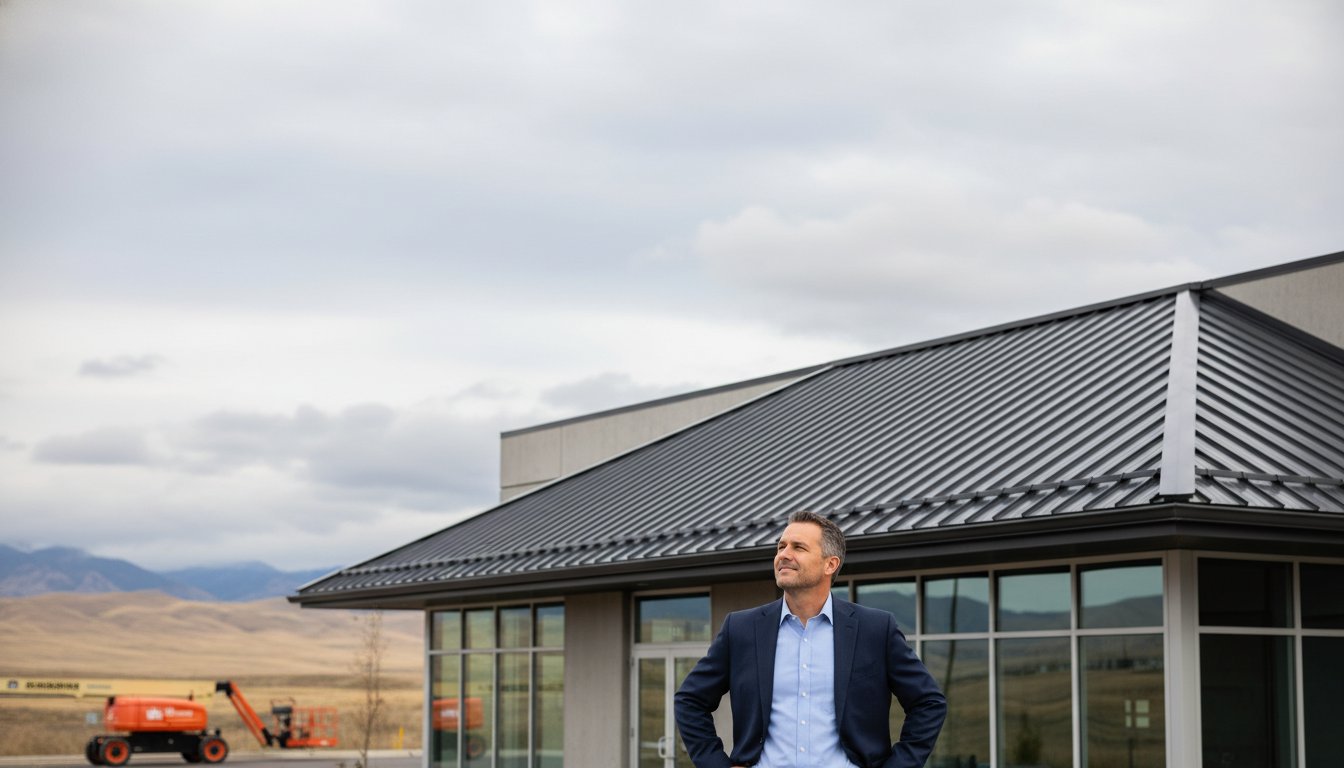
In the Snake River Plain, your roof is more than just a finishing touch. It's a structural shield against some of the most punishing winds and heavy snow loads in the country. You likely already know that standard shingles often struggle with the ice dams and thermal stress that define our Idaho winters. Choosing metal roofing Idaho Falls is a move toward a "forever" roof that protects your family while significantly boosting your home's curb appeal.
We agree that a home should be a place of security, not a source of worry every time a storm rolls through. This guide will show you why metal is the premier choice for local durability and how to select a system that handles our extreme temperature swings. We will cover the 30% federal tax credits available for energy-efficient materials, explain the latest 2026 Idaho contractor registration rules, and show you how the right style can reduce your cooling costs by up to 25%. It's about finding a solution that offers peace of mind and long-term value for your property.
Key Takeaways
- Learn why metal systems outperform traditional materials against the high winds and extreme weather of the Snake River Plain.
- Compare the visual appeal and functional differences between standing seam and ribbed panels to find the right look for your home.
- Understand the technical requirements for metal roofing Idaho Falls, including why specialized underlayment is vital for our temperature swings.
- Discover how to protect your landscaping and entryways from heavy snow slides by using strategically placed snow guards.
- Get a clear overview of the custom measurement and color selection process to ensure a precision fit for your property.
Why Metal Roofing is the Premier Choice for Idaho Falls Homes
Modern residential metal roofing systems are far more than just industrial panels. They're engineered assemblies featuring high-grade steel or aluminum, specialized underlayments, and precision-engineered fasteners. For homeowners considering metal roofing Idaho Falls, it's helpful to understand that a metal roof provides a cohesive barrier against our unique local environment. These systems are built to withstand the relentless gusts of the Snake River Plain, where wind speeds can easily peel back or lift traditional asphalt shingles. Because metal panels interlock, they create a unified surface that resists uplift during the most severe windstorms.
Our heavy winters also demand a roof that can handle significant weight. Metal's smooth surface allows snow to shed efficiently, preventing the massive weight accumulation that causes structural stress on older rafters. Beyond snow and wind, these systems carry a Class A fire rating. This is a critical safety feature for properties near rural grasslands or forested areas where wildfire risks are a seasonal reality. Choosing metal means prioritizing the long-term safety of your family and your property.
The Longevity Factor: 50+ Years of Protection
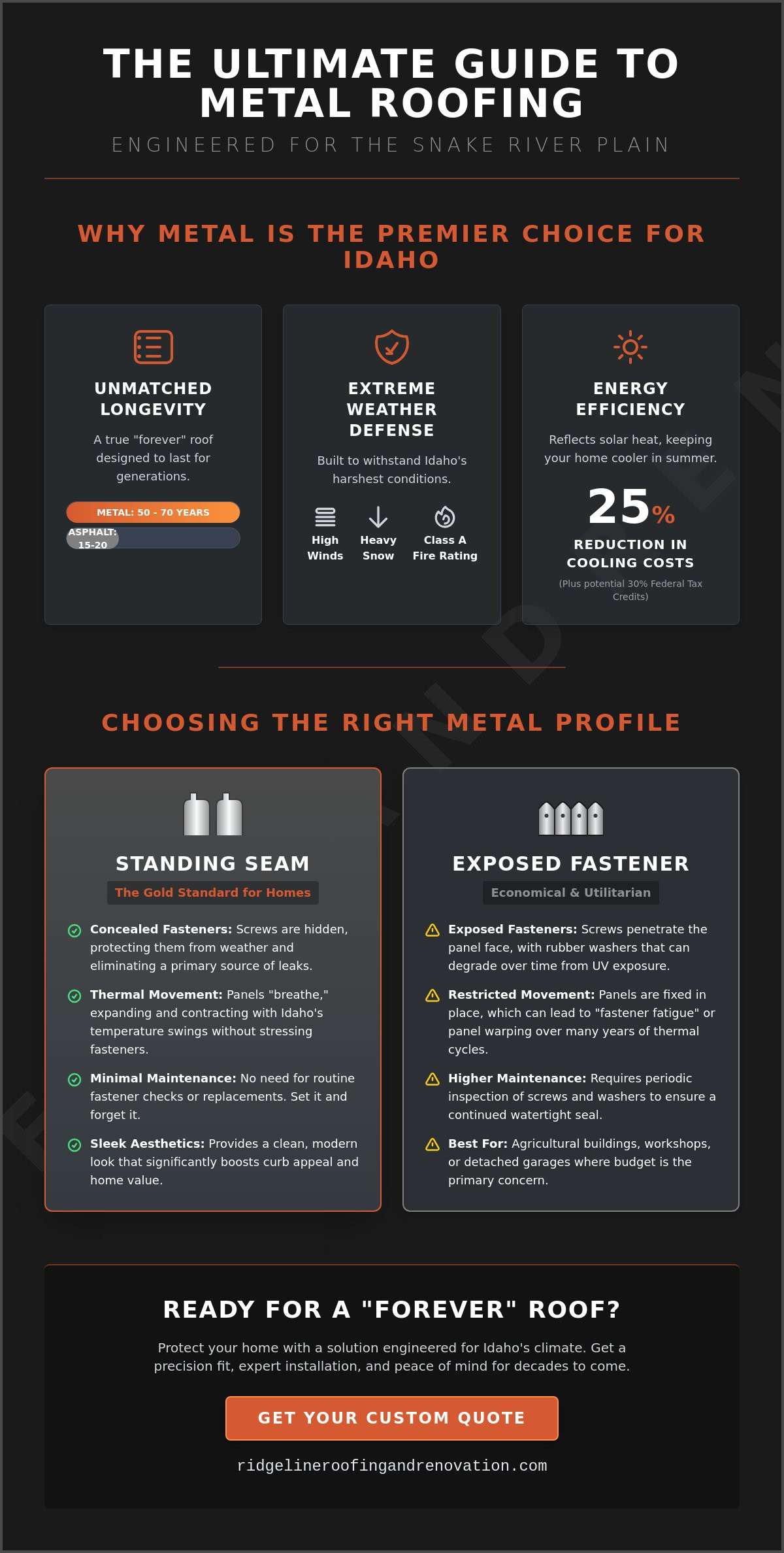
Most asphalt roofs in our region require replacement every 15 to 20 years due to intense weather cycles. In contrast, a metal system typically lasts 50 to 70 years. It's a legacy investment that often serves a family for two generations without needing a full replacement. Our high-altitude sun is another factor to consider. The UV rays in Eastern Idaho are particularly harsh, but metal doesn't dry out, curl, or crack like organic materials. It stays flexible and intact for decades, making it a dependable choice for the local climate.
Energy Efficiency and Summer Cooling
Metal is naturally reflective. While shingles absorb heat and radiate it into your attic, metal panels reflect solar radiant heat. This keeps your home significantly cooler during the July and August heatwaves. Homeowners often see a reduction in cooling costs by up to 25% because their air conditioners don't have to work as hard to combat heat trapped in the roof structure. Investing in metal roofing Idaho Falls allows you to take advantage of these thermal properties while also potentially qualifying for federal tax credits for energy-efficient materials.
Choosing the Right Metal Profile: Standing Seam vs. Ribbed Panels
When you start exploring metal roofing Idaho Falls, you'll quickly notice that not all metal roofs are designed for the same purpose. A common mistake is assuming the metal used on a local barn or shop is the same system intended for a residential home. For homeowners, the choice usually comes down to two primary categories: standing seam and exposed fastener panels. While both offer the fire resistance and strength we discussed earlier, they differ significantly in how they handle our local weather and how they impact your home's long-term value.
Material choice also plays a role in your project's success. Most modern systems utilize Galvalume, a steel core coated in an aluminum-zinc alloy that provides exceptional corrosion resistance. For those living near water or seeking maximum longevity, aluminum is a rust-proof alternative. If you're looking for a luxury "legacy" look, copper remains a premium option that develops a beautiful patina over time. If you aren't sure which material fits your neighborhood's aesthetic, a quick look at residential metal roofing options can help narrow down your preferences.
Standing Seam: The Gold Standard for Residential Use
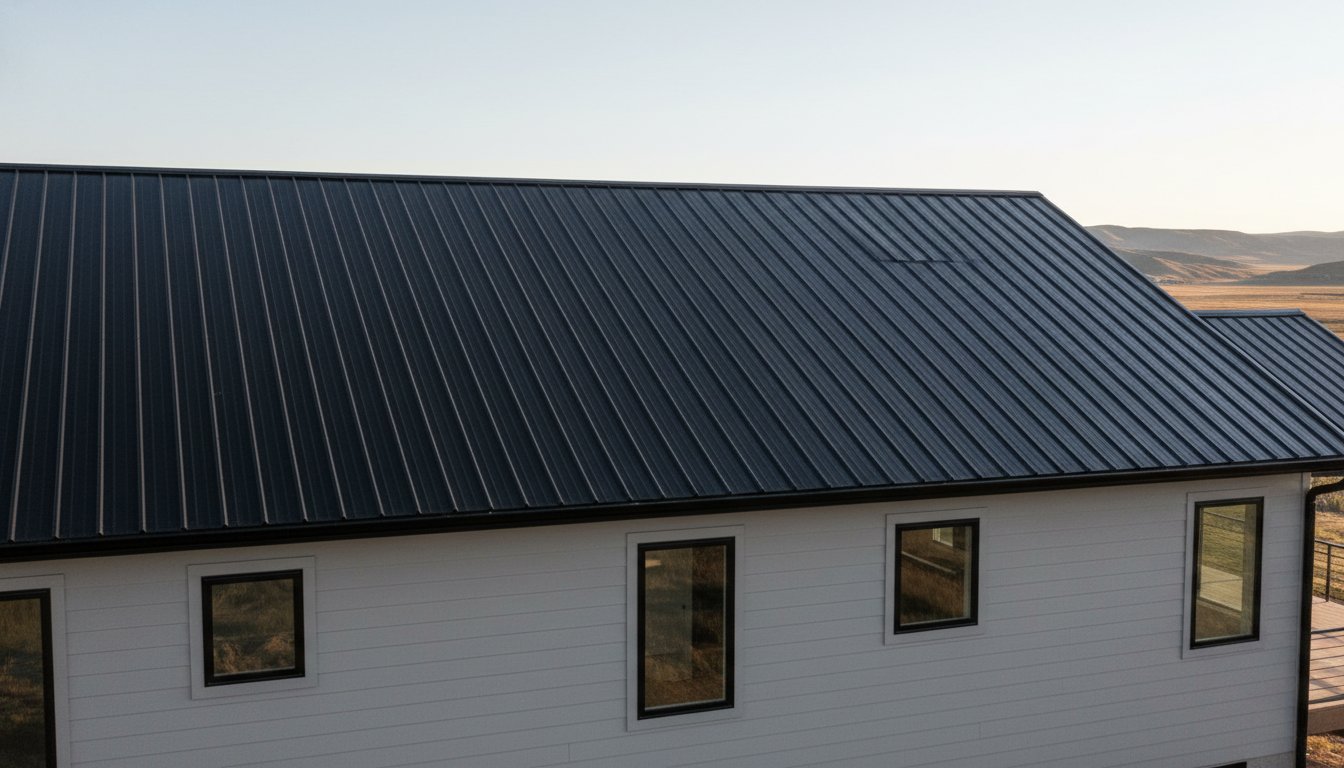
Standing seam is widely considered the premier choice for Idaho Falls homes. This system uses concealed fasteners, meaning the screws are hidden beneath the metal panels rather than being exposed to the elements. This design is crucial for our region because it allows the metal to "breathe." In a climate where temperatures can swing from -20°F in January to 90°F in July, metal panels expand and contract significantly. Standing seam systems use a clip mechanism that lets the panels slide slightly without putting stress on the fasteners. This eliminates the primary source of roof leaks and provides a sleek, modern look that significantly boosts curb appeal.
Exposed Fastener Systems (Tuff Rib & Corrugated)
Exposed fastener systems, such as Tuff Rib or PBR profiles, are often more economical and are frequently used for agricultural buildings or detached garages. Unlike standing seam, these panels are screwed directly through the metal into the roof deck. While they are incredibly durable, they require more maintenance. The rubber grommets on the thousands of visible screws can dry out or crack over time due to Idaho's high-altitude UV exposure. If you choose a ribbed profile for a residential property, you should plan for a professional inspection every few years to ensure the fasteners remain tight and the seals are intact.
Regardless of the profile you choose, many modern metal systems are designed as cool roofs. These surfaces use specialized pigments to reflect more sunlight and absorb less heat than standard roofing. This technology is especially effective in the high-desert sun of Eastern Idaho, helping to keep your indoor spaces comfortable without overworking your cooling system.
The Critical Role of Professional Installation in Eastern Idaho
While many local suppliers offer high-quality panels, the actual performance of metal roofing Idaho Falls depends entirely on the skill of the installer. Unlike asphalt shingles, which are relatively forgiving, metal requires a high degree of precision and specialized tools. Hand-seamers, metal shears, and specific torque-sensitive drivers are essential to ensure the material isn't damaged during the process. A single over-tightened screw or a poorly cut valley can compromise the entire system's integrity. It's a technical craft that requires a steady hand and years of experience.
In our region, the choice of underlayment is just as vital as the metal itself. Because metal panels can reach extreme temperatures in the summer sun, professionals use high-temperature synthetic underlayment. Standard felt or low-grade synthetics can actually melt or fuse to the underside of the panels, leading to premature failure. Additionally, proper ventilation is a requirement to prevent condensation from forming against the roof deck. Following local building codes in Idaho Falls and Rexburg ensures your project meets safety standards for snow load and wind resistance. For a deeper look at local requirements, check out our Home Roof Replacement in Idaho Falls: The 2026 Homeowner’s Guide.
Managing Thermal Expansion
Metal is a dynamic material that physically grows and shrinks as the temperature shifts. In a single day, an Idaho roof might experience a 40-degree temperature swing. If panels are secured with fixed fasteners that don't allow for this movement, the metal will eventually buckle or wave. This visual defect is known as "oil canning" and can lead to structural noise or fastener failure. Professional standing seam systems utilize a series of clips and sliders. These components hold the roof securely to the deck while allowing the panels to glide back and forth as they expand naturally.
Flashing and Waterproofing Details
The most common leak points on any roof are the transitions around chimneys, vents, and skylights. While some contractors use "one-size-fits-all" retail flashing kits, these rarely provide a perfect seal on custom metal profiles. We rely on custom-bent flashing that is tailored to the specific pitch and profile of your home. This ensures a watertight fit that accounts for the way water flows across metal surfaces. Meticulous sealing at these junctions is what separates a 50-year roof from one that needs emergency repairs after the first heavy rain. It's the small details that provide the peace of mind you expect from a premium system.
Winterizing Your Metal Roof: Snow Guards and Safety
Idaho Falls winters bring a specific set of challenges that require more than just a durable material. While the smooth surface of a metal roof is excellent for longevity, it also leads to the "snow slide" phenomenon. Unlike asphalt shingles that grip snow with their granules, metal allows it to shed quickly once the sun warms the panels. Without proper management, hundreds of pounds of snow and ice can release simultaneously. This creates a significant safety risk for entryways, parked vehicles, and expensive landscaping. Integrating snow management into your metal roofing Idaho Falls project isn't just an option; it's a safety requirement for our climate.
Professional installation also addresses the root cause of ice dams. By ensuring proper attic ventilation and using high-quality underlayment, we prevent the uneven heating that causes snow to melt and refreeze at the eaves. This proactive approach protects your home's structure and prevents water from backing up under the panels during the spring thaw. It's about creating a system that works with the weather rather than fighting against it.
Types of Snow Management Systems
There are two main ways to manage snow on a residential metal roof. Snow rails consist of continuous bars that run horizontally across the roof, typically used on steeper pitches to hold back large volumes of ice. Snow pads, or "cleats," are individual pieces installed in a staggered pattern to break up snow into smaller, harmless chunks as it slides. We strategically place these systems over high-traffic areas like doorways and decks. To maintain your home's sleek look, these guards are color-matched to your specific roof panels, making them almost invisible from the street.
Gutter Integration for Metal Roofs
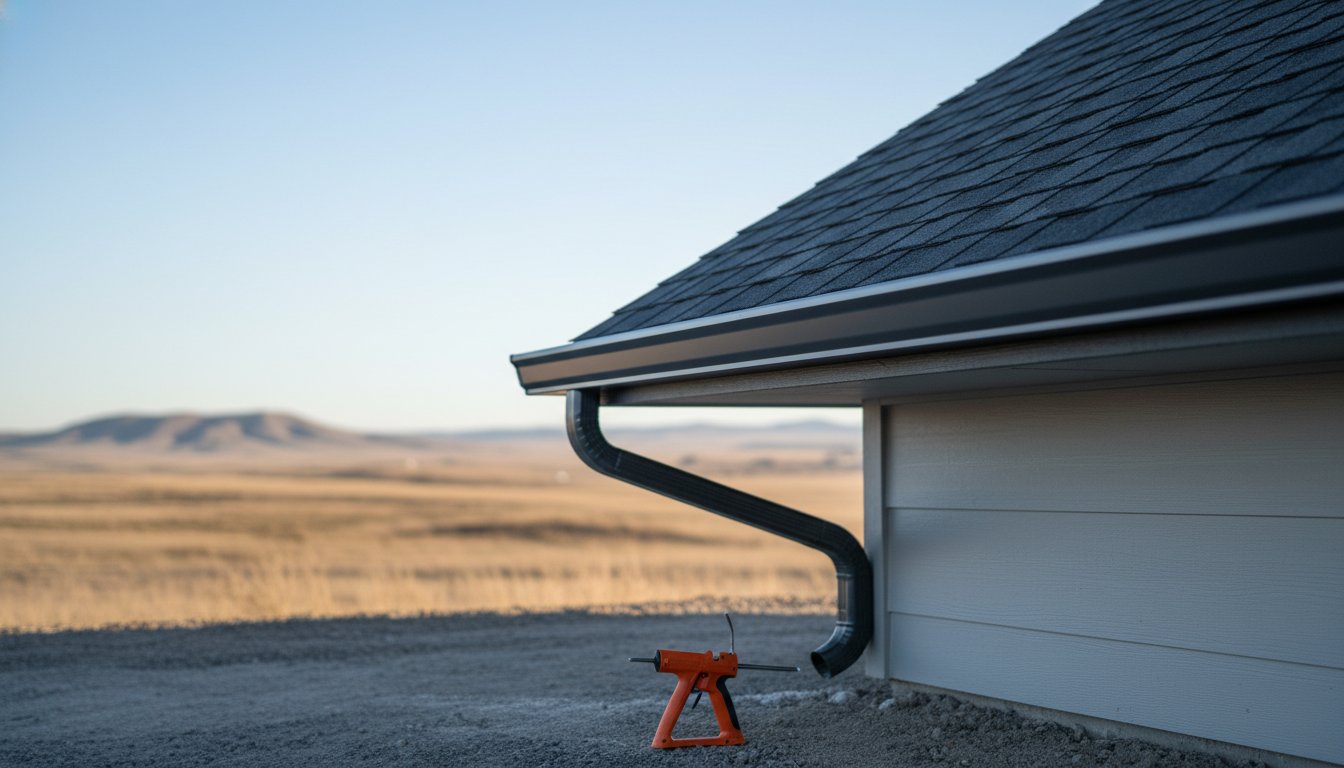
Standard gutter installations often fail on metal roofs because they aren't built to withstand the force of sliding ice. We utilize heavy-duty gutter hangers with tighter spacing to provide the necessary structural support. Seamless gutters are the preferred choice for Eastern Idaho because they eliminate the seams where ice expansion usually causes damage. To keep your system functioning, we recommend clearing downspouts of debris every autumn. This ensures that when the spring thaw arrives, water has a clear path away from your foundation. If you want to protect your home with a system designed for the local climate, explore our metal roofing and gutter services today.
Getting Started: Your Metal Roofing Project in Idaho Falls
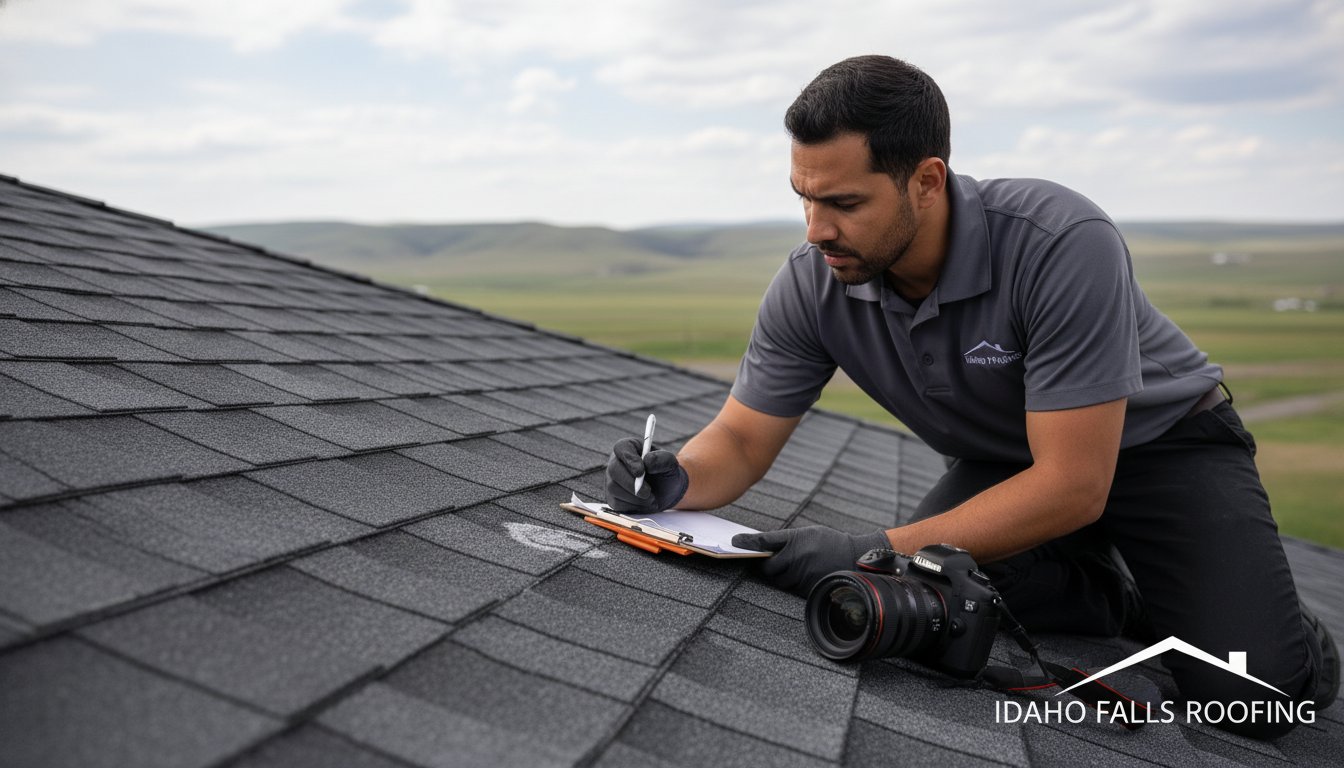
Starting a major home improvement project can feel overwhelming, but a methodical approach ensures things are done right the first time. For homeowners considering metal roofing Idaho Falls, the process begins with a thorough on-site inspection. We evaluate the structural integrity of your roof deck and check the existing ventilation to ensure your new system will perform at its peak. Once measurements are finalized, we help you select colors and finishes that complement the local Idaho landscape. Whether you prefer deep earth tones or modern slate grays, these finishes are designed to resist the high-altitude UV rays we discussed earlier.
During the installation phase, you can expect a transparent and orderly process. We handle the tear-off of your old materials with care, keeping the job site clean to protect your landscaping and driveway. As the custom panels are installed, we focus on the technical details like the flashing and snow management systems mentioned in previous sections. It's also vital to distinguish between your warranties. You'll receive a manufacturer material warranty, which covers the metal itself, and a separate workmanship warranty from us that covers the actual labor and installation quality.
Evaluating Your ROI
A metal roof is a significant structural upgrade that impacts your home's long-term value. In the local market, the durability of metal is a strong selling point that can increase resale value by 1% to 6% according to industry data. Many insurance providers also offer premium discounts for homes with Class 4 impact-rated roofs, as metal is exceptionally resistant to hail damage. When you use a cost-averaging approach, metal often proves to be the most economical choice. It's effectively the last roof you'll ever buy, saving you from the cycle of replacing asphalt shingles every 15 to 20 years.
The Ridge Line Professional Difference
We take immense pride in our craft and our reputation within the community. With over 20 years of experience serving Idaho Falls, Pocatello, and Rexburg, we act as a steady hand for our neighbors through every step of the project. We believe in open, constant communication so you always know exactly where your project stands. Our goal is to provide a stress-free experience that results in a beautiful, permanent roof for your home. Schedule your free metal roofing estimate today!
Invest in a Lifetime of Security for Your Home
Choosing a new roof is one of the most significant decisions you'll make for your property. By selecting metal roofing Idaho Falls, you're opting for a system that handles the Snake River Plain's high winds and heavy snow loads with ease. We've explored how these systems offer superior fire resistance, reflect solar heat to lower cooling costs, and provide a lifespan that often exceeds 50 years. It's about more than just aesthetics; it's about the peace of mind that comes from a permanent, professional installation.
As a locally owned and operated business in Idaho Falls, we bring over 20 years of experience to every project. We specialize in high-wind and heavy-snow installations, ensuring your roof is built to endure our local climate. Our team is ready to guide you through the selection process to find the perfect fit for your style and budget. Request a Professional Metal Roofing Quote today and take the first step toward a worry-free home. We look forward to helping you protect your property for the long term.
Frequently Asked Questions
Is a metal roof noisier than shingles during rain or hail?
No, a professionally installed metal roof is not noisier than other materials during rain or hail. When installed over a solid substrate with high quality underlayment and attic insulation, the sound is muffled effectively. Most homeowners find the noise levels indistinguishable from asphalt shingles. You won't hear a drumming effect because the attic space and insulation act as a natural sound barrier.
Will a metal roof attract lightning to my home?
Metal roofs do not attract lightning any more than other roofing materials. While metal is a conductor of electricity, lightning typically strikes the highest point in an area regardless of the material. If your home is struck, the metal roof is actually safer because it is non combustible. It helps dissipate the electrical charge safely without the risk of catching fire.
Does a metal roof cost more than asphalt shingles in Idaho Falls?
The initial investment for metal roofing Idaho Falls is higher than asphalt shingles, but it offers better long term value. While the upfront material and labor costs are greater, you avoid the expense of multiple replacements over the next 50 years. This makes it a more economical choice when you look at the total cost of home ownership over several decades.
Can I install a metal roof over my existing shingles?
You can often install metal over existing shingles, but we generally recommend a full tear off. Removing the old material allows our team to inspect the roof deck for rot or structural damage that would otherwise stay hidden. A clean surface also ensures the new underlayment and panels lay perfectly flat, which is essential for the longevity of the entire system.
What is the best color for a metal roof in Eastern Idaho?
Light colored panels are often the best choice for the Eastern Idaho climate. Shades like tan, light gray, or white offer high solar reflectance, which helps keep your home cooler during our intense summer months. These colors work with the high desert sun to reduce thermal gain and keep your attic temperatures manageable without overworking your air conditioner.
Do metal roofs rust over time in the Idaho climate?
Modern metal roofs are designed to resist rust through advanced coatings like Galvalume. This combination of aluminum and zinc provides a protective barrier that prevents the steel core from oxidizing. Even in our snowy climate, these coatings ensure the panels remain structurally sound and visually appealing for several decades without the risk of corrosion or surface degradation.
How do metal roofs perform during heavy hail storms?
Metal roofs perform exceptionally well during heavy hail storms compared to traditional materials. Most residential systems carry a Class 4 impact rating, which is the highest level of protection available. While extremely large hail might cause minor cosmetic dimples, the metal rarely punctures or cracks. This ensures your home remains watertight and secure throughout the most severe weather events.
Are there different gauges of metal, and which is best for residential homes?
Residential homes typically use 24 gauge or 26 gauge steel. In the roofing industry, a lower gauge number indicates a thicker and stronger material. While 29 gauge is common for agricultural buildings, we recommend 24 gauge for metal roofing Idaho Falls projects. This thickness provides the necessary rigidity to handle heavy snow loads and resist the visual buckling known as oil canning.